

All France News

In Gaza, we are used to waking up to the sounds of explosions, counting the days between meals, and cycling constantly between fear and hope. We thought our pain was unlike any other in the world until we saw Sudan burning under the same silence. There, as here, people die from hunger and under rubble, cameras and lenses absent, as if pain in the Global South is not meant to be heard in the North.
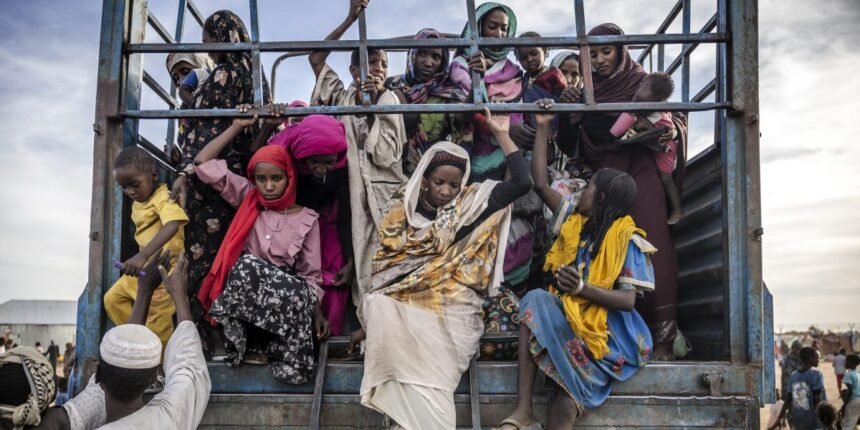
In Sudan and Gaza, children are snatched from their mothers’ arms before they even know what safety feels like. Last Tuesday alone, some 460 people were reportedly killed by paramilitary forces in the city of El-Fasher. Estimates put the rate of displacement in Gaza at 90%; in Sudan, more than 14 million people have been displaced. Homes are destroyed, access to clean water is severely limited, food remains deeply scarce, and the wounded lie scattered on the ground without medical care, just as we witnessed in our small city on the Mediterranean coast.
Yet what hurts more than bombing or hunger is silence. The silence of the world, the silence of those who raise human rights slogans in closed halls while people die in the streets. Despite the distance between them, Gaza and Sudan share this silence that doubles our pain and makes us ask: Is humanity truly universal, or is it only reserved for those whose suffering is in front of the cameras?
In Gaza, I have seen how hunger can become a constant dagger in the stomach, how it makes us cling to each other more than anything else. In Sudan, I see familiar faces in the photos of naked children fleeing death, in women burying their loved ones under the ruins of their homes, as if history is doomed to keep mercilessly repeating itself.
Gaza and Sudan, separated by sea and desert, share the same suffering.

Shared pain connects us more than any geography or language. Gaza and Sudan, separated by sea and desert, share the same suffering. Every time I read about the deaths in El-Fasher or Geneina, I feel that their pain is ours.
The unfolding tragedy in Sudan reminds us in Gaza that we are not alone, and that wars, hunger, and destruction are not isolated events—they are linked chapters of the same human suffering. And it is painful to realize that the world so often chooses to close the door on our cries, leaving the pain confined to those who live through it.
Talking about Gaza is not enough, and talking about Sudan alone is not enough. We must connect the pain, to see that human suffering knows no borders, and that those who live war, hunger, and death deserve to have their voices heard, no matter their nationality or land.
From Gaza, I raise my voice to the world: Speak about Sudan, share their cries, and do not let this pain go unanswered. Sudan knows the same destruction, the same hunger, the same fear binding us inextricably together. We who have lived bombing, death, and hunger know what betrayal feels like, and we know how the world can remain silent while innocents die.
I feel the importance, I feel the pain, and I know that every word written, every story told, can ease some of the suffering. Do not leave Sudan alone as Gaza was left alone. Speak, write, share, so that the world hears their cries and understands that humanity is not optional, but a duty we all must share.